
There’s nothing more annoying than opening your washing machine and finding your clothes sitting in a pool of water because the drum didn’t spin.
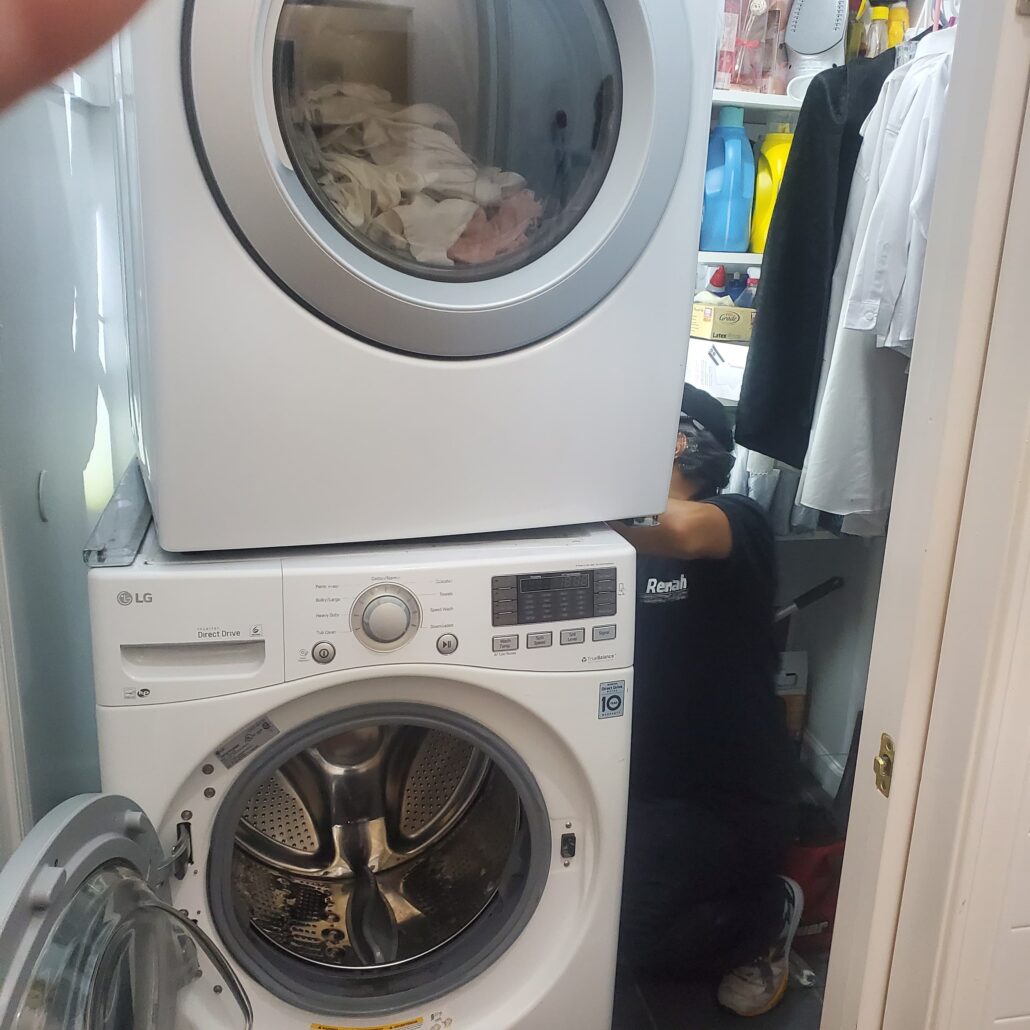
Sometimes the problem is something simple, like an unbalanced load. Other times, it can be a sign that one of the machine’s internal parts needs attention.
If your washing machine isn’t spinning properly, here’s what could be happening and when it’s time to call a professional.
Why Isn’t My Washing Machine Spinning?
A washing machine needs several components to work together for the drum to spin correctly. If one of them develops a problem, the machine may wash normally but fail during the spin cycle.
Here are some common causes.
1. The Load Is Unbalanced
One of the simplest reasons a washing machine may not spin is an unbalanced load.
If heavy clothes, towels, or blankets collect on one side of the drum, the machine may detect the imbalance and stop or slow the spin cycle.
Try redistributing the clothes evenly and running the spin cycle again.
2. The Washing Machine Is Overloaded
Putting too many clothes into the machine can make it difficult for the drum to spin properly.
Overloading also puts additional strain on components such as the motor, belt, and drum assembly.
Following the manufacturer’s recommended load size can help prevent unnecessary wear.
3. There’s a Drainage Problem
If the washing machine can’t drain the water properly, it may refuse to enter the spin cycle.
A clogged drain hose, blocked pump, or other drainage problem can leave water inside the drum after the wash cycle.
If your clothes are coming out soaking wet, a drainage issue could be part of the problem.
4. A Worn or Broken Drive Belt
Many washing machines use a drive belt to transfer power from the motor to the drum.
Over time, the belt can become worn, stretched, or damaged. If it breaks completely, the motor may run while the drum remains still.
5. A Problem With the Motor
The motor is responsible for turning the drum during the wash and spin cycles.
If the motor is failing or another component connected to it isn’t working properly, the machine may stop spinning or struggle to reach the correct speed.
Motor-related problems usually require professional diagnosis.
6. A Faulty Lid or Door Lock
Many modern washing machines have safety switches that prevent the drum from spinning when the door or lid isn’t properly locked.
If the machine incorrectly detects that the door is open, it may complete some parts of the cycle but refuse to spin.
What Should You Check First?
Before calling for a repair, there are a few simple things you can check.
First, make sure the load isn’t too heavy or pushed to one side.
Next, check whether there’s still water inside the drum. If there is, the problem could be related to drainage.
You can also check that the door or lid is closing properly.
If you’ve tried these simple checks and the washing machine still won’t spin, the problem may require a professional diagnosis.
Signs Your Washing Machine Needs Professional Repair
It’s a good idea to have your washing machine inspected if:
- The drum doesn’t spin at all.
- The machine fills and washes but won’t enter the spin cycle.
- Clothes are coming out extremely wet.
- You hear loud banging, grinding, or unusual noises.
- The drum spins slowly or stops during a cycle.
- The machine repeatedly stops before completing the spin cycle.
- You’ve tried redistributing the load but the problem continues.
Ignoring the problem can sometimes lead to additional wear on other components.
Can You Fix a Washing Machine That Won’t Spin Yourself?
Simple problems such as an unbalanced load are easy to correct yourself.
However, replacing belts, pumps, motors, door locks, or other internal components is a different matter.
Washing machines contain electrical and mechanical components that can be dangerous to work on without the proper knowledge and equipment.
If you’re unsure what is causing the problem, it’s safer to have the appliance properly diagnosed rather than replacing parts based on guesswork.
How to Prevent Washing Machine Problems
A few simple habits can help your washing machine run better and potentially reduce unnecessary wear.
Avoid consistently overloading the machine and try to distribute clothes evenly inside the drum.
Clean the machine and detergent compartments regularly, and keep an eye out for unusual noises, leaks, or changes in how the machine operates.
Most importantly, don’t ignore a problem just because the machine is still partially working. Small issues can sometimes become more expensive repairs when they’re left unattended.
When Should You Call Renah Appliance Repair?
If your washing machine still isn’t spinning after checking the load and other simple causes, it’s time to have it inspected.
A professional technician can determine whether the problem is related to the drainage system, belt, motor, door lock, or another internal component.
Getting the correct diagnosis means you can address the actual problem instead of spending money replacing parts that aren’t faulty.
Need Help With a Washing Machine That Won’t Spin?
A washing machine that won’t spin can quickly turn a normal laundry day into a frustrating one.
Renah Appliance Repair provides professional appliance repair services to help diagnose and repair problems with washing machines and other household appliances.
If your washing machine isn’t spinning, is leaving clothes soaking wet, or is making unusual noises, contact Renah Appliance Repair to schedule a professional inspection.
Getting the problem checked early can help you get your washing machine back to working normally.