
Maybe the oven takes much longer than usual to heat. Maybe it stays lukewarm. Or maybe it looks like everything is working normally, but your food keeps coming out undercooked.
When that happens, there could be a problem with one of the oven’s heating components.
In this article, we’ll go over some of the common reasons an oven may not be heating properly, what you can check, and when it’s better to have a professional take a look.
What Causes an Oven to Stop Heating Properly?
Ovens rely on several components working together to produce and maintain the right temperature. If one of those components fails, the oven may struggle to heat or may not heat at all.
Here are some common causes.
1. A Damaged Heating Element
A faulty heating element is one of the most common reasons an electric oven may stop heating properly.
The heating element is the component that produces the heat needed to cook your food. Over time, it can become damaged or burn out.
You may notice visible damage, cracks, blistering, or a section of the element that isn’t glowing like the rest when the oven is running.
If the element has failed, replacing it may restore the oven’s normal heating performance.
2. A Faulty Temperature Sensor
Your oven uses a temperature sensor to monitor the temperature inside the oven.
If the sensor isn’t working correctly, the oven may have trouble maintaining the temperature you’ve selected. You might notice that food takes longer to cook or that the oven seems too hot or too cool.
3. Problems With the Igniter
Gas ovens use an igniter to help light the gas and produce heat.
If the igniter becomes weak or fails completely, the oven may not heat properly even though other parts of the appliance appear to be working.
Because gas appliances involve fuel and combustion, this type of problem is best handled by a qualified technician.
4. Electrical or Control Problems
Sometimes the heating components themselves aren’t the problem.
A faulty thermostat, wiring issue, control board, or other electrical component can prevent the oven from receiving or maintaining the power it needs to heat properly.
This is one reason why replacing a part without properly diagnosing the problem isn’t always the best approach.
Signs Your Oven May Need Repair
Your oven may need professional attention if you notice:
- The oven isn’t heating at all.
- It takes much longer than normal to reach the desired temperature.
- Food is consistently undercooked or unevenly cooked.
- The heating element looks damaged.
- The oven temperature doesn’t seem accurate.
- The oven heats sometimes but not other times.
- You notice unusual smells or electrical issues.
If you’ve noticed any of these problems, it’s better to investigate the issue rather than continue using an oven that isn’t operating normally.
A Real Oven Heating Element Repair
One of the oven repairs handled by our technicians involved an oven that wasn’t heating properly because its heating element had been damaged.
During the inspection, the faulty heating element was identified as the cause of the problem. The damaged component was replaced with a new heating element, and the oven was tested afterward to make sure it was heating correctly.
Before the Repair
The original heating element showed visible damage and was no longer functioning properly.
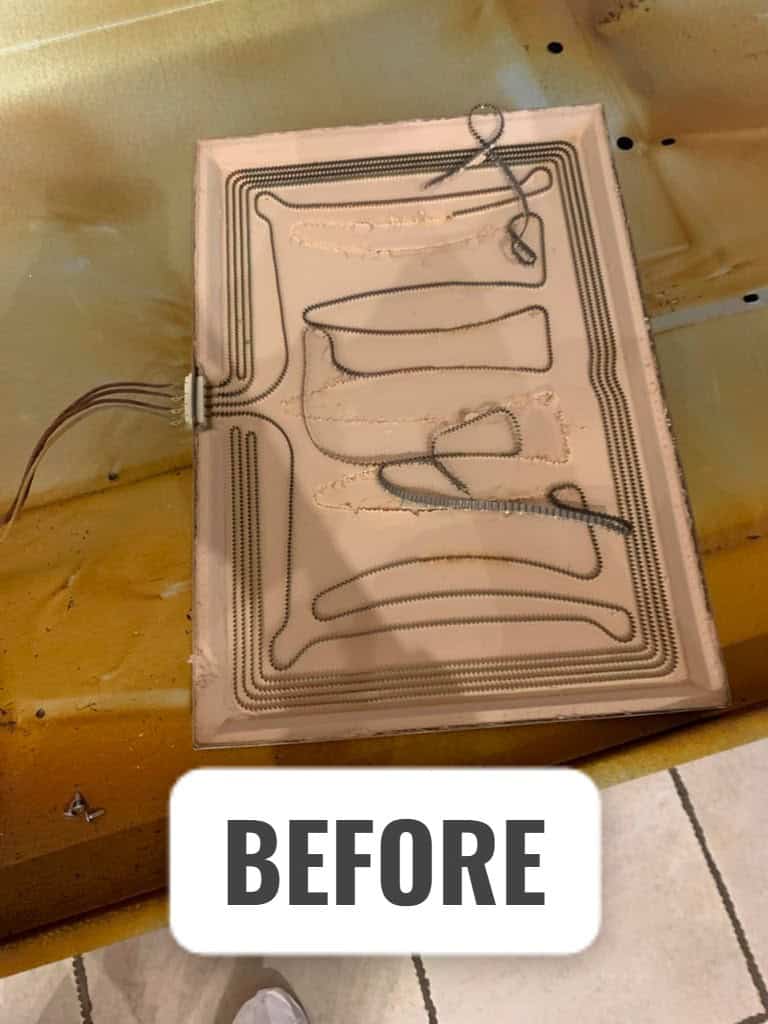
Before: Damaged oven heating element before replacement.
After the Repair
After the damaged component was replaced, the oven was able to return to normal heating operation.
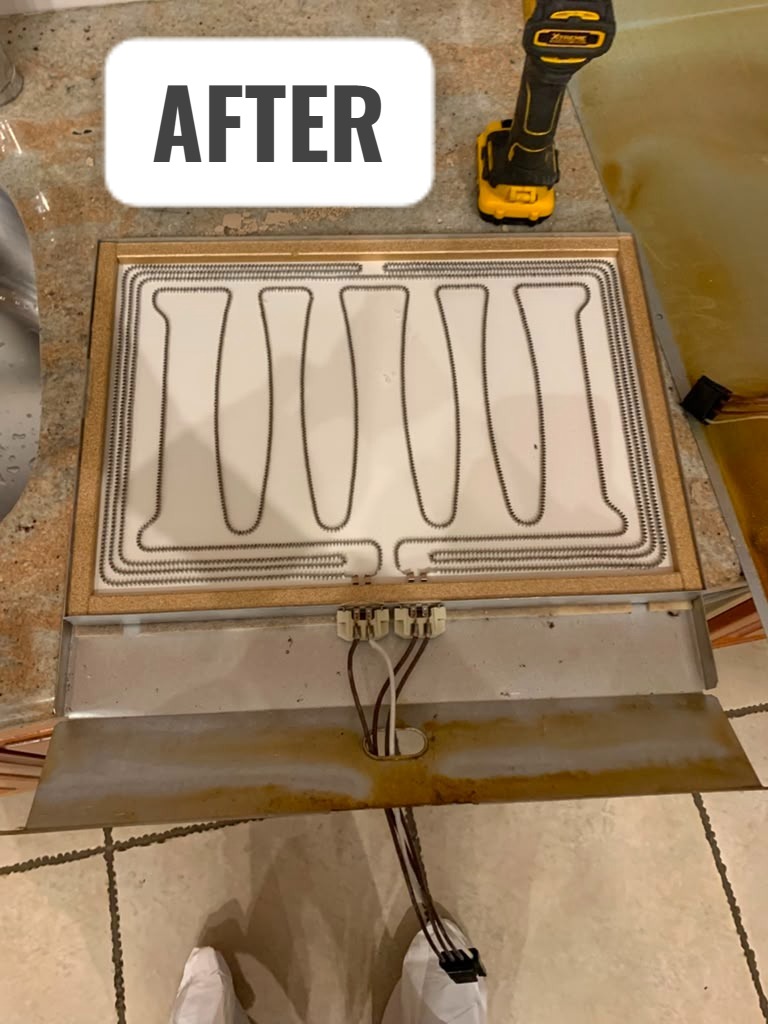
After: New oven heating element installed after the repair.
This is a good example of why unusual oven performance shouldn’t always be ignored. A problem that starts with uneven or inadequate heating can sometimes point to a component that needs to be repaired or replaced.
Can You Replace an Oven Heating Element Yourself?
Some oven heating elements can be physically replaced without an extremely complicated repair, but that doesn’t necessarily mean every homeowner should attempt it.
Before replacing a component, the actual cause of the problem needs to be confirmed. An oven that isn’t heating could have an issue with the element, wiring, temperature sensor, control board, or another component.
Working around electrical connections can also be dangerous if you don’t have the proper knowledge or equipment.
If you’re not comfortable diagnosing the problem yourself, having a professional inspect the appliance is the safer option.
How to Avoid Bigger Oven Problems
You can’t prevent every appliance failure, but a few simple habits can help you catch problems early.
Pay attention to changes in how your oven performs. If it suddenly takes much longer to heat or your food isn’t cooking the way it normally does, don’t simply keep increasing the temperature.
It’s also a good idea to keep the inside of the oven reasonably clean and avoid damaging the heating elements when cleaning.
Most importantly, don’t ignore unusual smells, sparks, visible damage, or other signs that something isn’t working correctly.
When Should You Call an Appliance Repair Professional?
If your oven isn’t heating properly and you can’t identify a simple cause, it’s time to have it inspected.
A professional technician can diagnose the problem instead of replacing parts based on guesswork. This can help you avoid spending money on components you don’t actually need.
If the issue involves electrical wiring, gas components, or other potentially dangerous parts, professional repair is especially important.
Need Help With an Oven That Isn’t Heating?
A malfunctioning oven can quickly become a problem when you’re trying to prepare everyday meals.
Renah Appliance Repair provides professional appliance repair services to help diagnose and resolve problems with ovens and other household appliances.
If your oven isn’t heating properly, is taking too long to heat, or is showing other signs of trouble, contact Renah Appliance Repair to schedule a professional inspection.
Getting the problem diagnosed early can help you get back to using your oven normally and may prevent a small issue from becoming a bigger repair.